Regulatory and Safety Compliance in Nuclear Decommissioning

Overview of Regulatory Frameworks
Nuclear decommissioning is governed by a complex array of regulatory frameworks designed to ensure that the process is conducted safely and effectively. In the United States, for instance, the Nuclear Regulatory Commission (NRC) oversees the decommissioning of nuclear power plants. This regulatory body mandates that operators must submit detailed decommissioning plans, which are rigorously reviewed before any work can commence.
Internationally, organizations such as the International Atomic Energy Agency (IAEA) provide guidelines and standards that member states are encouraged to follow. The regulatory frameworks often require compliance with multiple local, state, and federal laws, adding layers of complexity to the decommissioning process. As a result, the approval timelines can stretch considerably, contributing to the decades-long duration of decommissioning projects.
Safety Protocols During Decommissioning
Safety is paramount in nuclear decommissioning, and strict protocols must be followed to protect workers, the public, and the environment. These protocols include comprehensive safety assessments, worker training programs, and the use of specialized equipment for handling radioactive materials. For instance, decommissioning teams often utilize remote-controlled tools and robotics to minimize human exposure to radiation during the dismantling of reactor components.
Additionally, the decommissioning process requires ongoing health and safety monitoring, which can involve regular inspections and environmental testing. Each of these safety measures is time-consuming, further extending the decommissioning timeline.
Impact of Regulatory Delays on Timelines
Regulatory delays can significantly impact the timeline of nuclear plant decommissioning. For example, the decommissioning of the San Onofre Nuclear Generating Station in California faced numerous delays due in part to regulatory hurdles and public opposition. The initial timeline projected a completion in 2020, but as of 2023, the project is still ongoing, underscoring how regulatory processes can stretch decommissioning efforts into decades.
Moreover, regulatory bodies often require public consultations and hearings, which can further prolong the process. Each delay in receiving necessary approvals or addressing public concerns results in postponed work, compounding the overall duration of the decommissioning effort.
Complexity of Nuclear Plant Infrastructure
Types of Structures and Systems Involved
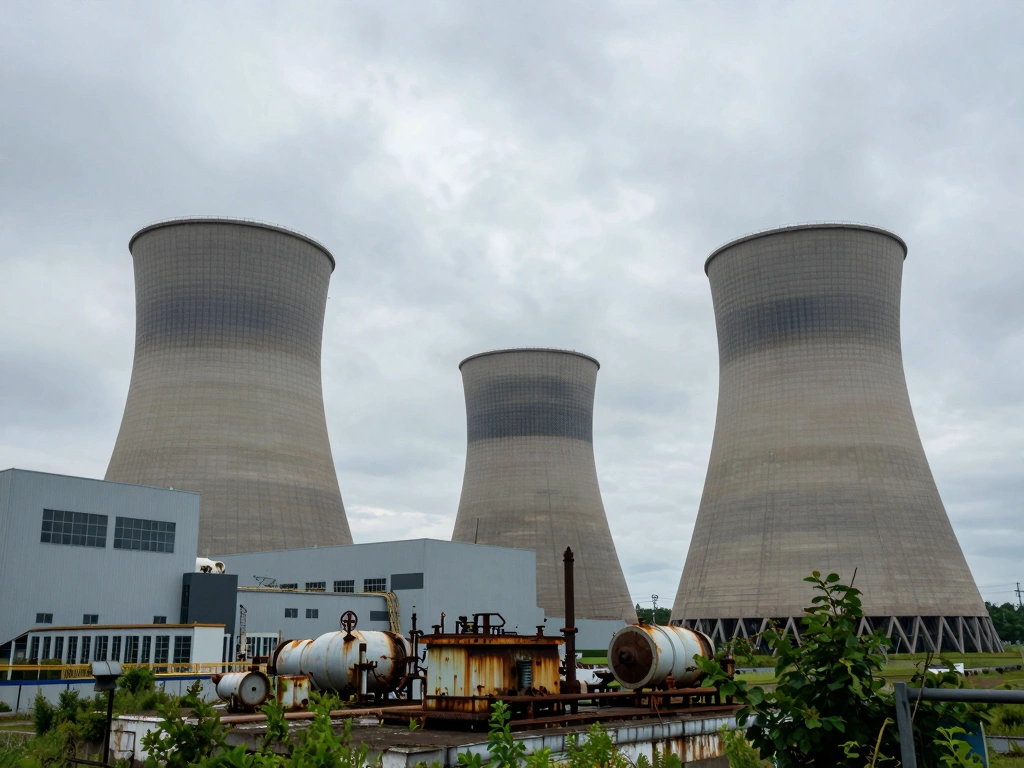
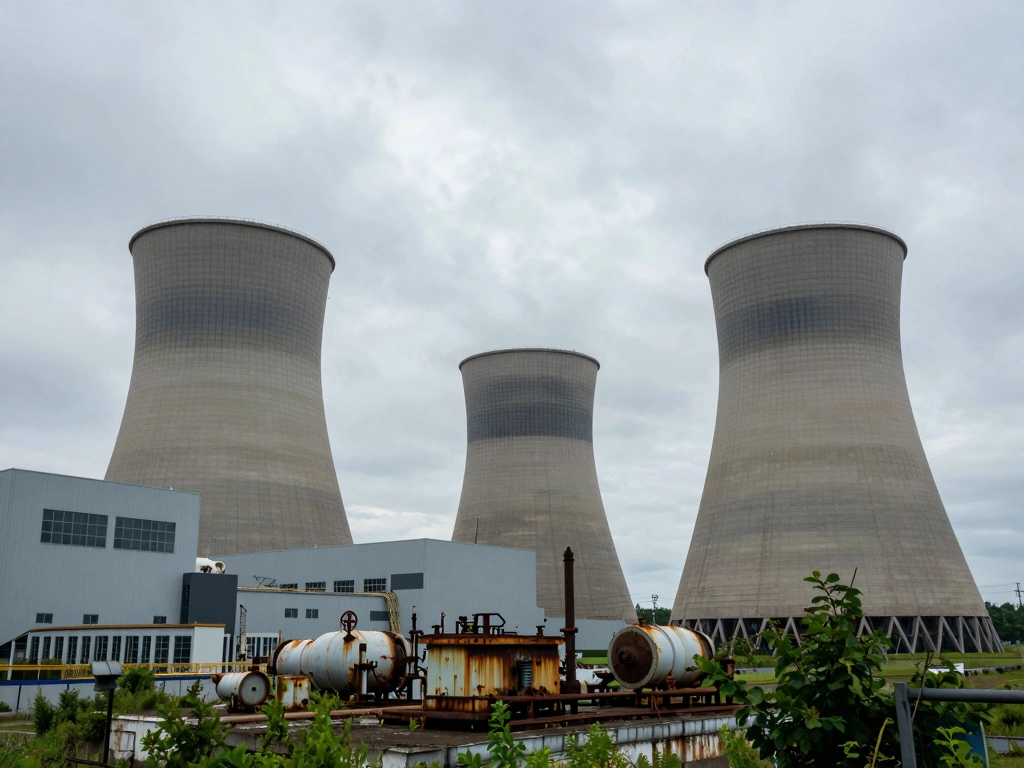
The infrastructure of a nuclear power plant is inherently complex, consisting of various systems, structures, and components that must be carefully dismantled. Key structures include the reactor containment building, spent fuel pools, and auxiliary systems like cooling towers and waste processing facilities. Each of these components has unique decommissioning challenges that must be addressed individually.
For example, the reactor vessel itself is a massive steel structure that may weigh hundreds of tons and is often filled with radioactive materials. Dismantling this vessel requires specialized techniques and equipment, which can take a considerable amount of time to implement safely.
Challenges in Dismantling Reactor Components
Dismantling reactor components presents numerous challenges, particularly due to the radioactive nature of the materials involved. The first step typically involves the removal of spent fuel, which must be stored securely before any further decommissioning can take place. This process can take years, as seen in the case of the Vermont Yankee Nuclear Power Plant, where spent fuel management has been a significant aspect of the decommissioning timeline.
Once spent fuel is removed, the reactor internals, including control rods, coolant systems, and other components, must also be carefully dismantled. Each piece requires specific handling procedures to ensure that no contamination occurs, further complicating and extending the timeline of the decommissioning process.
Managing and Storing Radioactive Waste
Managing radioactive waste is one of the most critical and time-consuming aspects of nuclear decommissioning. Once materials are identified as radioactive, they must be categorized and stored properly according to their specific hazard levels. Low-level waste might be disposed of in near-surface disposal facilities, while high-level waste requires long-term storage solutions.
The Waste Isolation Pilot Plant (WIPP) in New Mexico is an example of a facility designed for the long-term storage of transuranic waste. However, the logistics of transporting waste to such facilities can be a slow and bureaucratic process, often involving extensive planning and regulatory approval. This aspect alone can extend decommissioning timelines by many years, as seen in the decommissioning of the Rancho Seco Nuclear Generating Station in California, which is still dealing with waste management issues decades after closure.
Environmental Considerations and Remediation
Assessing Environmental Impact Before Decommissioning
Before any decommissioning work can begin, a thorough environmental impact assessment is typically required. This assessment is designed to evaluate the potential effects of dismantling the plant on the surrounding ecosystem, including air and water quality, as well as local wildlife. The assessment process can take several years to complete, as it often involves extensive data collection, analysis, and public consultations.
An example can be seen in the assessment process for the decommissioning of the Trojan Nuclear Power Plant in Oregon, which was initiated in the 1990s. The environmental assessments required to clear the site for decommissioning took several years, contributing to the overall timeline.
Strategies for Soil and Water Remediation
Once the decommissioning process begins, soil and water remediation strategies are implemented to address any contamination that may have occurred during the plant's operational life. This can involve removing contaminated soil, treating groundwater, and restoring habitats. Remediation efforts can be time-consuming, as they may require extensive testing and monitoring to ensure effectiveness.
For instance, the decommissioning of the West Valley Demonstration Project in New York included significant remediation efforts, which have taken decades to complete. The complexity of these strategies is compounded by the need to ensure that they meet regulatory standards, which can prolong the overall decommissioning timeline.
Long-Term Monitoring of Decommissioned Sites
After decommissioning and remediation, there is a need for long-term monitoring of the site to ensure that no residual contamination poses a risk to the public or the environment. This monitoring can last for decades, involving regular inspections and environmental testing to confirm that the site remains safe.
The monitoring process is crucial since some radioactive materials can have half-lives that extend into thousands of years. For example, the monitoring of the decommissioned site at the Maine Yankee plant is expected to continue long after the physical decommissioning activities have concluded, adding another layer to the already extended timeline of nuclear decommissioning.
Public Perception and Community Engagement
The Role of Public Health Concerns
Public perception plays a significant role in the decommissioning of nuclear plants. Community health concerns related to potential radiation exposure can lead to increased scrutiny and opposition to decommissioning plans. As seen in various cases, public fears can lead to calls for more stringent safety measures, further complicating and prolonging the decommissioning process.
The decommissioning process for the Shoreham Nuclear Power Plant in New York was significantly delayed by public health concerns and opposition from local residents, highlighting how public perception can directly impact project timelines.
Engaging Local Communities in the Process
Effective community engagement is essential for addressing public concerns and facilitating smoother decommissioning processes. Many nuclear plants have established Community Advisory Boards (CABs) to involve local residents in the decision-making process. These boards can help build trust and transparency, but establishing and maintaining these relationships can take time.
For example, the decommissioning of the Crystal River Nuclear Plant in Florida has involved extensive community engagement efforts to address public concerns and keep residents informed, contributing to the lengthy timeline of the project.
Influence of Public Opposition on Decommissioning Speed
Public opposition can significantly influence the speed of nuclear decommissioning. When communities express strong opposition, it often leads to delays in regulatory approvals and increased pressure for more comprehensive safety measures. The ongoing decommissioning of the Kewaunee Power Station in Wisconsin has faced challenges due to public opposition, contributing to an elongated timeline.
Furthermore, public opposition can also lead to legal challenges, which can halt decommissioning activities altogether until disputes are resolved. Such legal entanglements can add years to the decommissioning process, demonstrating the profound impact of public sentiment on timelines.
Financial and Economic Factors in Decommissioning
Cost Estimation and Budget Constraints
The financial aspects of nuclear decommissioning are complex and can significantly impact timelines. Accurate cost estimation is crucial for securing funding and completing the project efficiently. However, underestimating costs can lead to budget constraints that delay decommissioning activities.
For instance, the decommissioning of the California-based Diablo Canyon Nuclear Power Plant has faced challenges due to fluctuating cost estimates. As costs rise, funding may fall short, requiring additional time to secure necessary resources, thus extending the overall timeline for decommissioning.
Funding Sources for Decommissioning Projects
Funding for nuclear decommissioning typically comes from a variety of sources, including decommissioning funds established during the plant's operational life, government grants, and private investments. However, accessing these funds can be a lengthy process, especially if additional approvals or assessments are required.
The decommissioning of the Fort Calhoun Station in Nebraska faced delays in accessing funds due to regulatory complications, illustrating how financial factors can intertwine with regulatory processes to extend timelines.
Economic Impacts of Extended Decommissioning Timelines
Extended decommissioning timelines can have significant economic implications for local communities and broader economies. Prolonged uncertainty can affect local property values, employment opportunities, and economic development. Moreover, as decommissioning projects extend over decades, the financial burden may shift from the plant operators to taxpayers, particularly if public funds are required to support the effort.
The example of the Zion Nuclear Power Station in Illinois highlights these economic impacts. The extended decommissioning timeline has resulted in a prolonged absence of economic activity in the area, affecting local businesses and employment rates.